
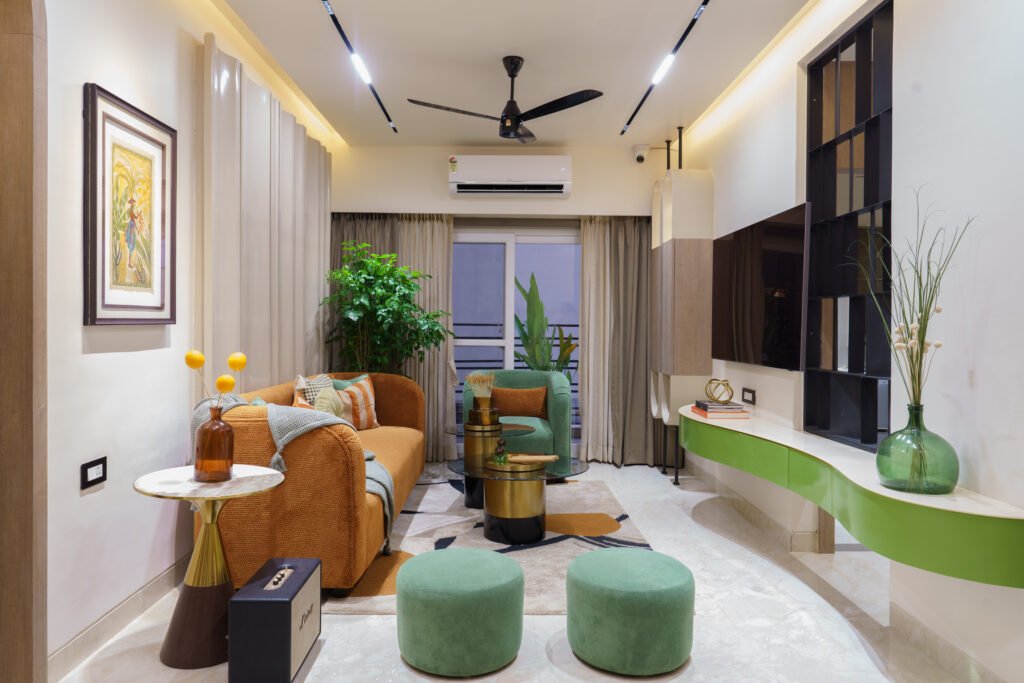
Here are 10 trends shaping modern homes this year.
Interior design in 2026 is moving beyond simply looking beautiful. Today’s homes are becoming warmer, more personal, functional and deeply connected to the way we live. From earthy colour palettes and natural materials to layered lighting and thoughtfully curated décor, the focus is on creating spaces that feel as good as they look.
1. Warm, Earthy Colour Palettes
Cool greys and stark whites are making way for warmer, nature-inspired shades. Terracotta, olive green, beige, muted browns and warm whites create interiors that feel welcoming and timeless.
Instead of relying on a single colour, designers are layering complementary tones across walls, furniture, fabrics and accessories to create depth and warmth.
2. Natural Materials & Organic Textures
Natural materials are taking centre stage in contemporary interiors. Wood, stone, marble, cane, linen, rattan and textured finishes bring an organic quality to modern spaces.
The emphasis is not only on how materials look, but also on how they feel and age over time—creating interiors with character rather than a perfectly manufactured appearance.
3. Layered & Sculptural Lighting
Lighting is becoming an integral part of the design rather than simply a functional requirement.
A combination of ambient, task and accent lighting allows different moods to be created within the same space. Statement pendants, wall sconces, concealed LEDs and sculptural lamps are being used as design elements in their own right.
4. Personalised, Lived-In Spaces
The perfectly staged home is giving way to spaces that feel personal and lived in. Art, books, travel finds, family heirlooms and meaningful objects are being thoughtfully incorporated into interiors.
The result is a home that tells a story—reflecting the personality and experiences of the people who live in it.
5. Multifunctional Spaces
As our homes accommodate work, relaxation, entertainment and family time, spaces are becoming increasingly versatile.
Flexible furniture, concealed storage, movable partitions and thoughtfully planned layouts allow a room to adapt to different needs without compromising its aesthetic appeal. This is particularly relevant for contemporary urban homes where every square foot matters.
6. Statement Furniture & Curved Forms
Furniture is becoming more expressive, with softer silhouettes, rounded edges and sculptural forms replacing overly rigid lines.
A statement sofa, accent chair, console or coffee table can become the focal point of a room while adding softness and visual interest to contemporary interiors.
7. Texture-Rich Minimalism
Minimalism is evolving. Rather than completely bare interiors, modern homes are embracing a softer approach with layered textures, subtle patterns and carefully selected décor.
Think textured walls, fluted panels, plush upholstery, natural fabrics and warm wood tones—creating depth without visual clutter.
8. Biophilic & Nature-Inspired Design
Bringing nature indoors continues to influence residential design. Indoor plants, natural materials, earthy colours, daylight and views of greenery help create spaces that feel calmer and more connected to the outdoors.
In Indian homes, this approach can also work beautifully through courtyards, balconies, indoor gardens, natural ventilation and strategically placed windows.
9. Sustainable & Climate-Responsive Design
Sustainability is becoming increasingly integrated into the design process. Energy-efficient lighting, natural ventilation, locally sourced materials, durable finishes and responsible material choices can contribute to homes that are both environmentally conscious and comfortable.
For Indian homes especially, passive cooling, cross-ventilation and thoughtful responses to sunlight and climate can make a significant difference to everyday living.
10. Design That Reflects Individuality
Perhaps the biggest shift in 2026 is the move away from following one defined aesthetic. Homes are becoming more individual, combining different styles, periods, materials and objects to create something uniquely personal.
The goal is no longer to create a home that simply follows a trend, but one that remains meaningful and relevant for years to come.