
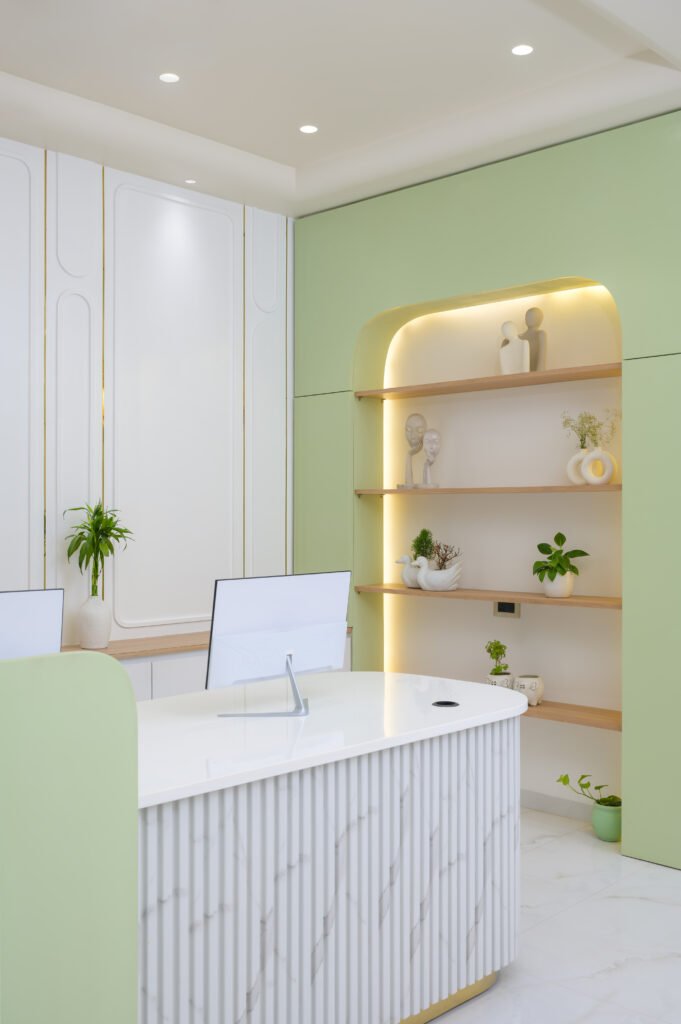
A beautiful home is not only about the furniture, colours or finishes—it is also about how effortlessly everything finds its place. Thoughtful storage can transform the way a home looks, feels and functions, helping create spaces that are organised without feeling crowded.
With modern homes becoming more compact and multifunctional, smart storage is no longer an afterthought. It is an essential part of good interior planning.
1. Make the Most of Vertical Space
When floor space is limited, look upwards. Full-height wardrobes, tall cabinets, overhead storage and floor-to-ceiling shelving can significantly increase storage capacity without taking up additional floor area.
Vertical storage also creates a cleaner visual appearance by making the room feel more structured and intentional.
2. Choose Built-In Storage
Built-in storage allows furniture to be designed specifically around the dimensions and requirements of a space.
From customised wardrobes and TV units to kitchen cabinets and study storage, built-ins can make use of corners, awkward spaces and unused wall areas while maintaining a cohesive aesthetic.
3. Embrace Multifunctional Furniture
Furniture that serves more than one purpose is particularly useful in compact homes.
Consider beds with built-in storage, ottomans with hidden compartments, benches with drawers and extendable dining tables. These solutions allow everyday spaces to remain functional without adding unnecessary furniture.
4. Don’t Ignore Underutilised Spaces
Some of the best storage opportunities are often overlooked.
The space beneath a bed, staircase, window seat or kitchen counter can be transformed into practical storage. Even narrow niches and unused corners can become useful with carefully planned cabinetry or shelving.
Good design isn’t always about adding more—it is about making better use of what already exists.
5. Keep Everyday Essentials Within Reach
Not everything needs to be hidden away. The key is to differentiate between items that need easy access and those that can be stored out of sight.
Open shelves, display niches and accessible drawers can be used for frequently used or decorative items, while closed cabinets are ideal for keeping less attractive essentials neatly concealed.
This balance between open and closed storage helps a space feel both organised and visually interesting.
6. Design Storage Around Your Lifestyle
Storage should respond to the way you actually live.
A family with children may need dedicated toy and activity storage, while a work-from-home setup may require space for books, files and equipment. Similarly, an entryway can benefit from designated storage for footwear, bags and everyday essentials.
Instead of asking, “Where can we add another cabinet?”, start by asking, “What do we need to store, and how do we use it?”
7. Use Smart Kitchen Storage
The kitchen is one of the busiest areas of a home, making efficient storage especially important.
Pull-out units, deep drawers, corner solutions, tall pantry cabinets, organisers and dedicated spaces for appliances can make everyday tasks easier while keeping countertops clutter-free.
Thoughtful planning can turn even a compact kitchen into an efficient and comfortable workspace.
8. Create a Clutter-Free Bedroom
Bedrooms benefit from storage that combines capacity with visual calm.
Full-height wardrobes, internal organisers, loft storage and beds with hydraulic or drawer storage can help accommodate clothing, accessories, luggage and seasonal items without overwhelming the room.
Keeping larger storage elements visually streamlined—through consistent finishes and integrated designs—can make the bedroom feel more spacious and peaceful.
9. Use Open Storage with Intention
Open shelving can add personality to a room, but too many exposed items can quickly make a space feel cluttered.
Use open shelves selectively for books, artwork, plants and carefully chosen décor, while keeping everyday clutter behind closed doors or drawers.
The goal is not to hide everything—it is to create a visual balance between display and concealment.
10. Plan Storage Before the Interiors
One of the most important principles of good interior design is to plan storage early.
When storage is considered during the space-planning stage, it can be integrated seamlessly into the architecture and furniture rather than added later as an afterthought.
This allows storage to complement the overall design while ensuring that every important requirement has a place.
The Secret to a Clutter-Free Home
A clutter-free home doesn’t necessarily mean owning fewer things. It means creating a place for the things you use and designing the space around your lifestyle.
From concealed cabinetry and multifunctional furniture to customised storage solutions, thoughtful planning can make every square foot work harder—without compromising on aesthetics.
Ultimately, the best storage solutions are the ones you barely notice. They blend seamlessly into the design, make everyday living easier and allow your home to remain organised, comfortable and beautiful.